Why are Dutch Rentals Often Poorly Maintained?
Even at €2,000+/month, don’t expect a spotless handover.

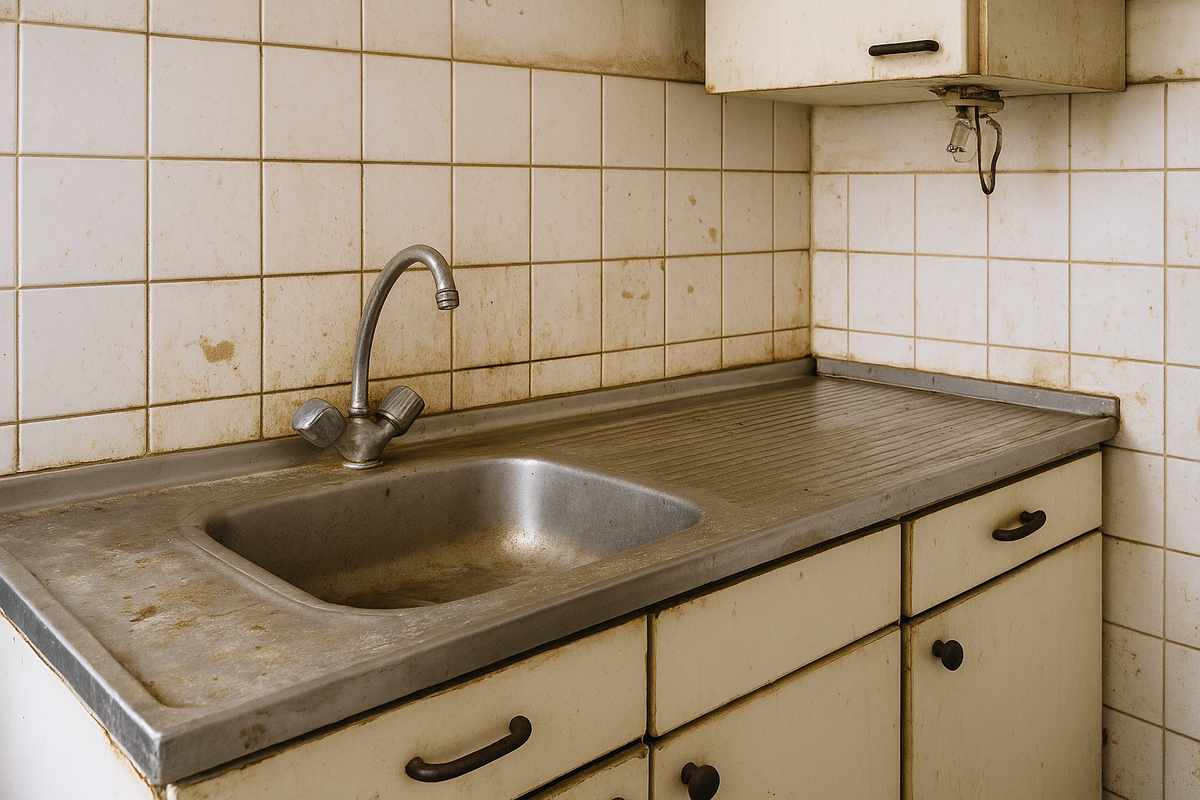
Even at €2,000+/month, don’t expect a spotless handover.
1. Cultural Expectations Are Different
If you're moving to the Netherlands and expect your new rental apartment to be sparkling clean and freshly painted, you might be in for a surprise. In Dutch rental culture—especially in the vrije sector (private market)—there’s a long-standing norm: tenants clean when they leave, and landlords don't clean in between.
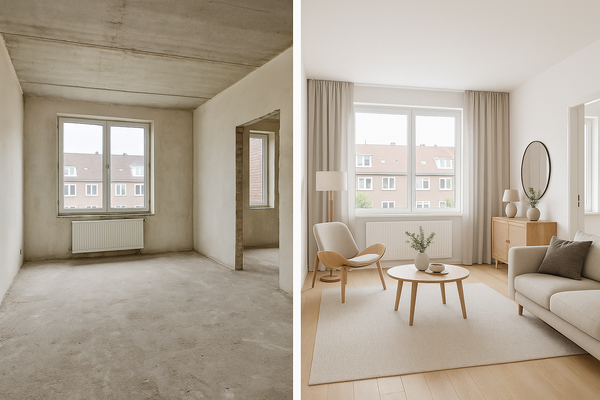
So what happens if the previous tenant didn’t do a good job? Often, the landlord simply hands the place over “as-is.” This isn’t usually seen as disrespectful—it’s just how things are done. Even high-end rentals can be handed over with greasy kitchen cabinets, dust, scuffed walls, and broken light fixtures.
Unless it’s spelled out in the contract that the property will be professionally cleaned, the default assumption is that the incoming tenant will roll up their sleeves and get to work.
Looking to rent in the Netherlands? Get a free consultation from Relocify and streamline your search.
2. Legal Protections Focus on Tenure, Not Conditions
While tenant rights are strong in the Netherlands (e.g., rent control in some sectors, long-term security), there’s no clear enforcement on:
There’s no legal obligation for a landlord to:
- Professionally clean the apartment
- Cosmetic conditions like paint, grout, or appliances
- Fix superficial issues like yellowed grout or tired flooring
As long as the property is habitable and structurally safe, it’s technically within the law to hand it over in mediocre condition—even at €2,000/month. You’re paying for location and square meters, not comfort or polish.
3. Landlords Want to Maximize Profit
Landlords in the Netherlands—especially in major cities like Amsterdam, Utrecht, and Rotterdam—are often individual investors with one or more properties. Many of them:
- Know that their unit will rent out quickly
- Have dozens of applicants per listing
- Want to avoid any unnecessary costs
Spending €300–500 on a deep clean or cosmetic repairs is often seen as a waste, especially when they’re already collecting high monthly rents. With so much demand and limited supply, there’s simply no market incentive to go the extra mile.
4. The DIY Ethic Runs Deep
Another aspect of Dutch housing culture is the strong “do-it-yourself” mindset.
It’s not uncommon for new tenants to be expected to:
- Install their own light fixtures
- Hang curtains or blinds
- Paint the walls
- Deep-clean kitchens and bathrooms
- Sometimes, even installing flooring
While this might seem shocking to renters from countries where properties are rented “turnkey,” it’s part of the norm here. For Dutch locals, it’s just part of the moving process.
5. The Housing Market Is Overheated
The Netherlands is facing a severe housing shortage, particularly in urban centers. This gives landlords all the leverage:
- Properties get dozens of applications within hours
- Many renters accept bad conditions out of urgency
- There’s little pressure to improve or clean before renting
In such a lopsided market, landlords are rarely held accountable for presentation. The cost of poor maintenance is simply not passed on to them, so they don’t bother.
What Tenants Should Not Expect: No Reimbursements for Small Repairs
This surprises many expats and international renters:
“I just bought extraction hood filters for €50—can I deduct that from rent?”
“I fixed a cabinet hinge for €100—can I get reimbursed?”
The answer is almost always: No.
Dutch rental law makes tenants responsible for all minor repairs, replacements, and maintenance under a certain threshold (usually ~€50-100).
This includes:
- Cleaning air vents, filters, windows, and clogged drains
- Lightbulbs, fuses, and replacing batteries in smoke detectors
- Showerheads, pop-up drains, toilet seats, and sealant reapplication
- Cabinet handles, door hinges, curtain rails
Unless the landlord explicitly agreed in writing to cover a specific cost, these are considered part of your responsibility as a tenant, even in high-end rentals.
If it’s unclear whether an item is covered, check the “Besluit Kleine Herstellingen” (Dutch Decree on Minor Repairs) — this outlines exactly what tenants are expected to maintain.
But the bottom line is that after you move in, don’t expect retroactive deductions or refunds for these purchases, and not paying full rent will lead to legal problems.