Seven Costly Mistakes Expats Make in the Dutch Rental Market—And How to Dodge Them


Securing a rental in the Netherlands can feel like trying to board a train that is already at full capacity: listings vanish within hours, agents triage applications on dossier completeness alone, and a maze of rent-control rules leaves little margin for error. Add strict registration requirements and tenant-friendly eviction laws, and it becomes clear why many newcomers lose months - and deposits - before they even unpack. Understanding the market’s unwritten expectations is therefore no luxury; it’s the difference between having keys in hand and starting over from scratch.
1. Skipping Registration Checks
Dutch law requires you to register (BRP) at your address if you stay longer than four months. Some properties—especially short-stay or illegal sublets—prohibit registration. Always get written confirmation from the landlord or agent before you sign.
2. Arriving With an Incomplete Dossier
Popular listings disappear within hours. Compile one PDF that includes:
- Passport or EU ID card
- Employment contract or offer letter
- Recent salary slips or bank statements
- Previous landlord and employer references (optional but persuasive)
Having this ready lets you apply the moment a suitable home appears.
Looking to rent in the Netherlands? Get a free consultation from Relocify and streamline your search.
3. Chasing Perfection on Day One
Strict filters on décor, floor plan, or neighbourhood can stretch your search by months. Focus first on essentials—budget, commute, and registration rights. Upgrades are far easier once you’re already in the country and on a stable lease.
4. Misreading Lease Types
- Indefinite lease: Standard contract; one-month notice for tenants, up to six for landlords with valid grounds.
- Fixed term ≤ 24 months: Ends automatically unless both parties extend.
- Diplomatic clause: Landlord may reclaim the property for personal use after a stated period.
Clarify renewal options and termination notice in writing; English summaries are standard practice.
5. Falling for “Too-Good-to-Be-True” Offers
Below-market rents, requests for payment before viewing, or a landlord who “can’t meet in person” are red flags. Always insist on:
- A signed lease referencing the exact address
- Proof of ownership from the Dutch land registry (Kadaster)
- Payment through traceable channels—never cash or cryptocurrency
6. Assuming “Furnished” Means Ready to Live In
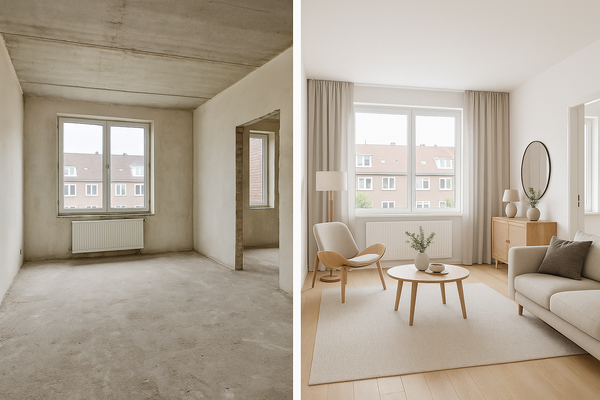
Listings labelled gestoffeerd may include only flooring and curtains; even gemeubileerd places can lack linens or kitchenware. Request a written inventory and photograph any missing items during check-in to avoid disputes.
7. Misjudging the Daily Commute
A “30-minute bike ride” can translate to 90 minutes by public transport, especially outside the Randstad. Use Google Maps’ peak-hour settings or test the route yourself before committing.
How Relocify Helps
We verify registration rights, assemble a compliant dossier, and screen out scams so you can apply with confidence—often within minutes of a listing going live. Need expert support? Contact Relocify and move into a home that truly fits your life.