Dutch Rental Life Hacks: What No One Tells You

Moving into a Dutch home is a crash course in clever engineering and cultural quirks. The listings rarely spell these out, so here’s the insider playbook that keeps new tenants from scratching their heads—or their walls.
1. Mastering the Tilt-and-Turn Window
Dutch kiep-kantel windows have three positions:
- Locked (handle down)
- Tilt (handle horizontal) for secure airflow—even in rain
- Swing-open (handle up) to clean both sides from inside
If the sash seems stuck halfway, reset the handle to the locked position, press the frame firmly into the seal, then rotate to your desired setting. Bonus: many frames have built-in micro-vent slots for winter ventilation without heat loss.
2. Ceiling Hooks: Tiny Anchors, Big Potential
Look for metal eyes screwed into joists—relics of old-fashioned cradles and chandeliers.
- Weight limit. Most can hold 10–15 kg; test with grocery bags first.
- Modern uses. Plant jungles, bike hoists, loft hammocks, or a pendant lamp without drilling protected plaster.
- Renter tip. Leave the hook in place at move-out to avoid repair deductions from your deposit.
3. Furniture Norms—Decode the Dutch Labels
| Listing Term | What You Actually Get | What You Usually Don’t |
|---|---|---|
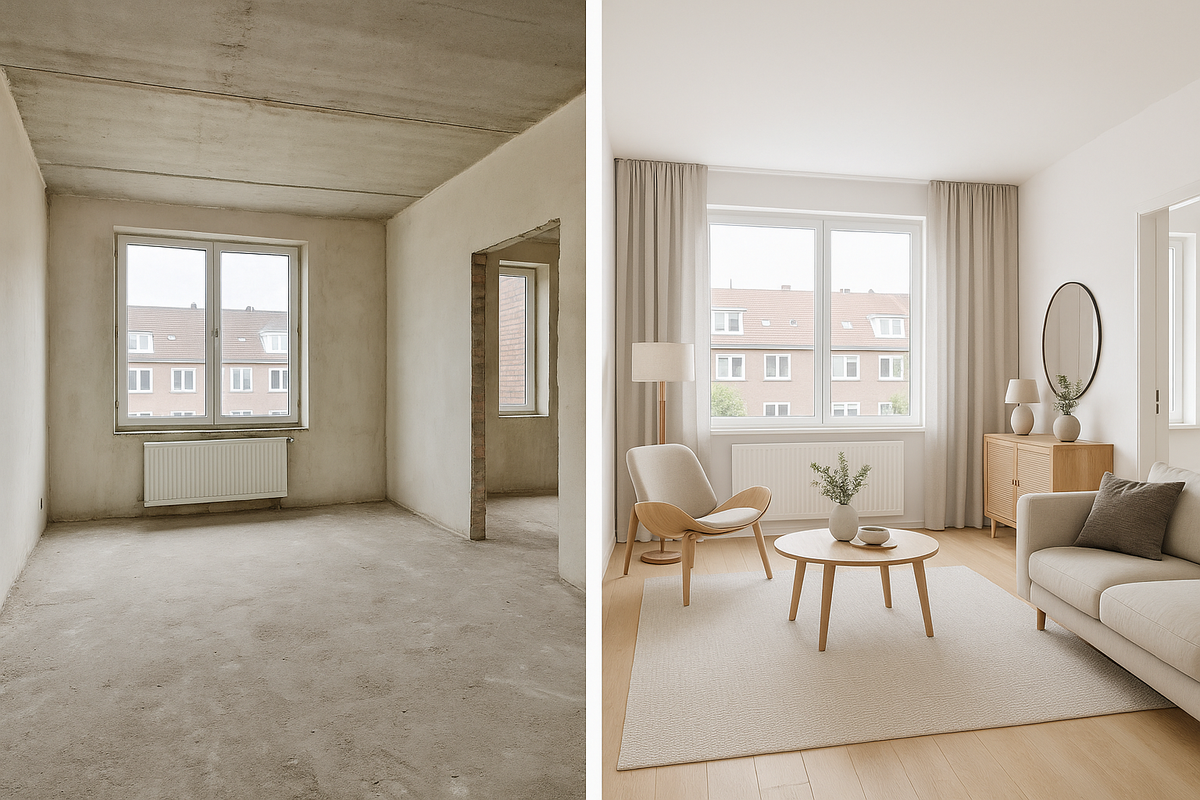
| Kaal (“bare”) | Walls, ceiling, maybe bulbs | Flooring, curtains, appliances |
| Gestoffeerd (“semi-furnished”) | Flooring, blinds/curtains, light fixtures, basic stove | Sofa, bed, wardrobes |
| Gemeubileerd (“furnished”) | Major furniture, white goods | Linens, small kitchenware, décor |
Always request the inventaris (inventory) with photos. It must be attached to the lease—your best defence against “that table was already broken” claims.
4. Kitchens & Bathrooms: Compact Doesn’t Mean Cramped
Expect a high-efficiency layout:
- Kitchens. 60 cm-wide fridge-freezers, combo oven–microwaves, and often a quooker boiling-water tap. Counter space is precious—magnetic knife strips and fold-down dish racks are lifesavers.
- Bathrooms. Floor-level showers draining through a linear grate; washer–dryer stacks squeezed behind sliding doors; wall-mounted toilets for easy cleaning. Bring an extra bath mat—splash zones are generous.
5. Storage Space Sorcery
Closets are rare, but every flat hides nooks:
- A berging—basement or ground-floor storage shed—is common in post-1990 buildings. Great for bikes and suitcases.
- Stair landings often have a hatch to a crawl-space voorraadkast (pantry).
- High ceilings invite tall wardrobes (IKEA PAX 236 cm fits in most pre-war units) and overhead suitcase shelves.
Think vertical, think modular, and buy furniture on castors—navigating narrow staircases is an art form.
6. Reading Between the Lines of “Luxury”
“Luxe afwerking” might advertise:
- Triple-glazed windows and energy label A
- Floor heating with zone thermostats
- A rain-shower plus separate handheld spray
- Built-in sun-screens (screens) instead of external shutters
What it usually does not include: central air-conditioning, walk-in closets, or a U.S.-size fridge. In Dutch listings, energy efficiency trumps square footage when marketers reach for the word luxury.
Quick-Reference Recap
Handle the tilt-and-turn like a pro, hang your world from sturdy ceiling hooks, verify every inventory line, optimise micro-kitchens, exploit hidden storage, and calibrate your luxury expectations. Nail these hacks and Dutch rental living will feel less like an obstacle course—and more like a smartly designed home.